
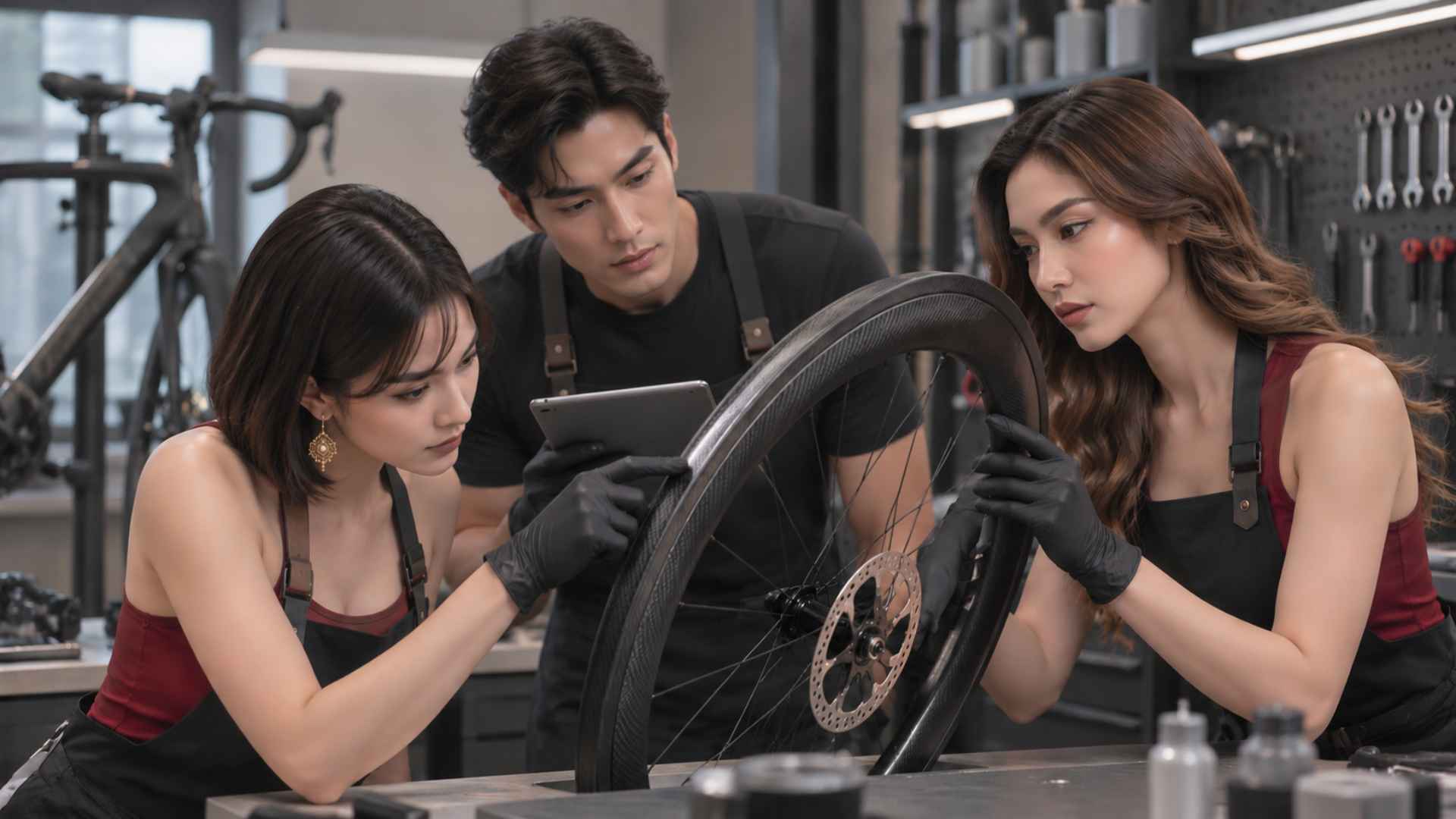
Carbon fiber wheels are valued for their lightweight construction, high strength, and ability to improve vehicle performance. However, their performance depends on more than reducing weight. Heat resistance and thermal stability are also important factors, especially when wheels are exposed to demanding driving conditions, repeated braking, and changes in outside temperatures. These conditions can affect the materials used in different wheel components over time.
Understanding how carbon fiber wheel components respond to heat helps explain their durability and practical limitations. From the carbon fiber layers to the resin system that holds them together, each material plays a role in maintaining structural performance. Proper material selection and manufacturing processes help ensure that these components can handle normal operating temperatures without losing their intended mechanical properties.
How Heat Affects Carbon Fiber Wheel Components
Carbon fiber itself has excellent thermal properties, but a carbon fiber wheel is not made from carbon fibers alone. Most composite wheels combine carbon fiber reinforcement with a polymer resin matrix. The fibers provide much of the structural strength and stiffness, while the resin binds the layers together and transfers loads between them. Since these materials respond differently to temperature, the overall heat resistance of a wheel depends on the complete composite structure rather than the carbon fibers alone.
When temperatures increase, the resin matrix can become softer and lose some of its stiffness. This behavior is particularly important when the material approaches its glass transition temperature, commonly known as Tg. At this point, the polymer changes from a relatively rigid state to a more flexible condition. Although the material does not immediately break down, its ability to maintain shape and support loads can decrease. This makes resin selection an important part of carbon fiber wheel manufacturing.
Thermal Stability And Material Selection In Wheel Manufacturing
The thermal stability of carbon fiber wheels depends heavily on the type of resin used during production. Epoxy resins are commonly found in high performance carbon fiber composites because they offer good adhesion, mechanical strength, and dimensional stability. However, different epoxy formulations have different temperature limits. High temperature resin systems can maintain their properties under greater thermal stress, making them suitable for applications where components experience repeated heating and cooling.
Manufacturing quality also influences how well a carbon fiber wheel handles temperature changes. Processes such as controlled curing help the resin develop the intended properties and bond properly with the carbon fiber layers. Uneven curing, trapped air, or internal voids can create weak areas that affect structural consistency. Careful control of temperature, pressure, and curing time helps reduce these issues. A well manufactured composite wheel is better prepared to maintain its intended performance under normal operating conditions.
Managing Heat Exposure And Maintaining Long Term Wheel Performance
One of the main sources of heat around a vehicle wheel is the braking system. During braking, friction between the brake pads and discs converts kinetic energy into heat. Some of this heat can transfer to nearby wheel components, particularly during repeated hard braking, mountain driving, or track use. The amount of heat reaching a carbon fiber wheel depends on the vehicle design, brake configuration, airflow, and driving conditions. This makes thermal management an important consideration in high performance wheel applications.
Another factor is the difference in thermal expansion between the materials used in a wheel assembly. Carbon fiber composites generally have a low coefficient of thermal expansion along the fiber direction, which helps them maintain dimensional stability when temperatures change. However, their thermal behavior is directional and depends on fiber orientation and composite construction. The resin matrix and any metal inserts or mounting components may expand differently. Manufacturers must account for these differences to reduce unwanted internal stresses and maintain reliable component connections.
Regular inspection and appropriate maintenance are also important for preserving carbon fiber wheel performance. Owners should pay attention to visible cracks, surface damage, unusual discoloration, or signs of impact. Any suspected structural damage should be assessed by a qualified specialist rather than judged by appearance alone. Unlike many conventional metal wheels, composite structures may develop internal damage that is not always obvious from the outside. Following the manufacturer’s temperature limits, inspection procedures, and usage recommendations can help prevent unnecessary material stress.